Trae Young: Why Fantasy Managers Should Be Excited
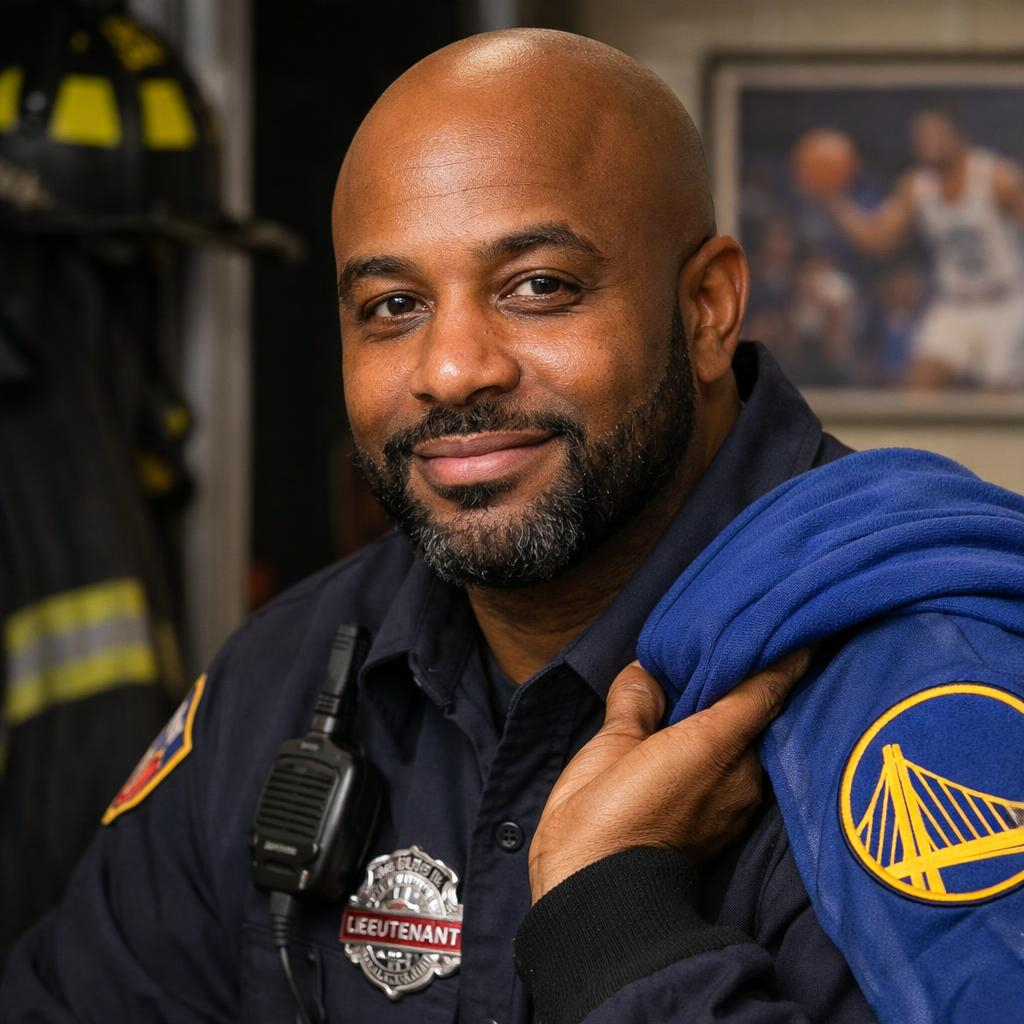
Marcus Thompson Jr.
Fire Lieutenant · Golden State Warriors fan
The Return of the Offensive Engine: Why Trae Young's Comeback Changes Everything
I remember the exact moment I knew Trae Young was special. It was a Hawks game a few years back, and I was watching from my couch at the firehouse between calls. The kid had maybe fifteen seconds on the shot clock, the defense was locked in, and instead of forcing it, he ran a pick and roll that turned into a three-pointer from thirty-five feet that went nothing but net. One of my younger guys, DeShawn, looked at me and said, "Nah, Marcus, that ain't real basketball." I told him to wait. Kid's been proven wrong ever since.
Fast forward to now, and we're looking at a Trae Young who's been on the sideline dealing with an injury that's had Washington's offense looking like a car running on three cylinders. But here's what matters: he's about to come back, and if you've been sleeping on him in your fantasy league, we need to talk right now.
The Context Nobody's Talking About
Before we get into the technical stuff, let's set the scene. Trae has been out, which means the Wizards have been operating without their primary offensive engine. Washington's been playing a certain style, making do with what they've got, and frankly, they've looked pedestrian. That's not a knock on anyone else. It's just what happens when you lose an orchestrator of his caliber.
When he comes back, especially in that first matchup against Utah, something's going to shift. This isn't complicated basketball logic. This is just understanding rhythm and flow. The Jazz defense is good, don't get me wrong, but they won't be prepared for what it looks like when Trae gets back into his groove. They've been preparing for a Washington team operating without him.
Here's my read: that first game back is a golden opportunity, not just for the Wizards, but for your fantasy roster if you've got the foresight to position yourself correctly.
The Comp That Actually Fits
Listen, I've got to put this in perspective because that's how I see basketball. When people talk about Trae Young, they throw around all these modern comparisons, but nobody ever mentions Penny Hardaway, and that's a mistake. I'm talking about peak Penny, not the injury years, but that version of Penny who could fill up every category on the stat sheet while running an offense that looked like it was being conducted by a maestro.
Trae does the same thing, but in 2024. He's a combo guard in the truest sense. The assists are obvious, but people sleep on the scoring versatility. He's not a volume shooter who happens to facilitate. He's a creator first, and that creation includes creating for himself. The three-ball range is wild. The floater game is lethal. The ability to finish in transition off his own speed? That's where the fantasy value multiplies.
When he's healthy and in rhythm, he's not just a top-fifty player. He should be pushing top-thirty territory because of what he does beyond the traditional point guard box.
What the Numbers Say (and Don't Say)
Current ownership is at 93.1 percent, which tells you most people already have him. The fantasy rank at forty-nine is conservative if he comes back at full health. Here's the thing about rankings though: they're calculated on incomplete information. They don't account for rhythm, chemistry, and what it means to have your primary creator return to an offense that's been running without him.
Last season, when Trae was fully operational, he was putting up numbers that made him a lock for the twenty-five to thirty-five range in most scoring formats. We're not talking about crazy outlier stuff. We're talking about consistent, repeatable production.
The minus-3.5 overall rating suggests people are hedging their bets, probably because of uncertainty around his return date and conditioning. That's the market being cautious, which I respect. But caution is different from accuracy. And in fantasy basketball, being less cautious than the field when you've got good reason to be is how you win championships.
I've been in this league for fifteen years, and I've learned that the moment right after a star player comes back is when the sharpest money gets made. Not by panic selling. By buying the dip on guys returning from injury when the evidence suggests they're going to impact winning immediately.
The Utah Matchup Specifically
Targeting Utah for his return game is significant, and here's why. The Jazz aren't running a defense built to contain a playmaker of Trae's caliber when he's fresh. They're structured differently than the elite switching defenses in the league. Utah's strong in the half-court, but they're not going to lock him down in isolation situations or in pick and roll scenarios.
What typically happens when Trae gets a favorable matchup early in his return? He builds confidence. He gets his rhythm back. The assists pop because he's getting comfortable. The scoring follows. By game three or four, he's not just back to form. He's often elevated because of the psychological aspect of proving to himself he's all the way there.
For fantasy purposes, that Utah game might be the softest landing spot imaginable. If you're holding Trae and you can get a huge game out of him right away, you're setting yourself up for the second half of the season knowing exactly what you've got.
What This Means for Your Team
Here's my actual advice, and I'm saying this as someone who's been burned by injury returns before and who's also profited from them when I trusted the process.
If you've got a weak point guard slot and Trae's still on the waiver wire in your league, which is unlikely but possible, you grab him immediately. This is a player with top-twenty-five upside the rest of the way once he's back. You don't leave that on the table because of injury hesitation.
If you already own him, you don't trade him after one good game back. That's the panic tax in reverse. The real money is made by holding through the adjustment period and reaping the benefits when he's fully in rhythm.
If you're considering moving him to package him in a deal, at least wait for two or three games back before you sell low. Too many managers get cute and dump returning stars at discount prices. Don't be that guy.
The Wizards need Trae to compete. That means he's going to be utilized heavily. Usage rate will be there. Opportunity will be there. The only unknown is health, and if the team's cleared him for that Utah matchup, the calculus changes.
The Bigger Picture
What Trae Young's return represents is bigger than one player or one fantasy league. It's a reminder that basketball is about rhythm and flow, not just statistics on a screen. It's about what happens when a creator gets back to creating after being absent.
I've watched enough basketball to know that when an offensive engine like this comes back, the entire ecosystem shifts. Teammates get better looks. The pace picks up. The quality of possessions improves.
Come back when he's played a few games and let's talk about how this reshapes the fantasy landscape for the second half. For now, just know this: Trae Young matters, and his return matters. If you're in a close league, this is the kind of move that separates the champions from everyone else.
The trophy doesn't go to the teams with the highest draft picks. It goes to the teams with the best timing and the clearest vision.