Ousmane Dieng: The Fantasy Breakout You Can't Ignore
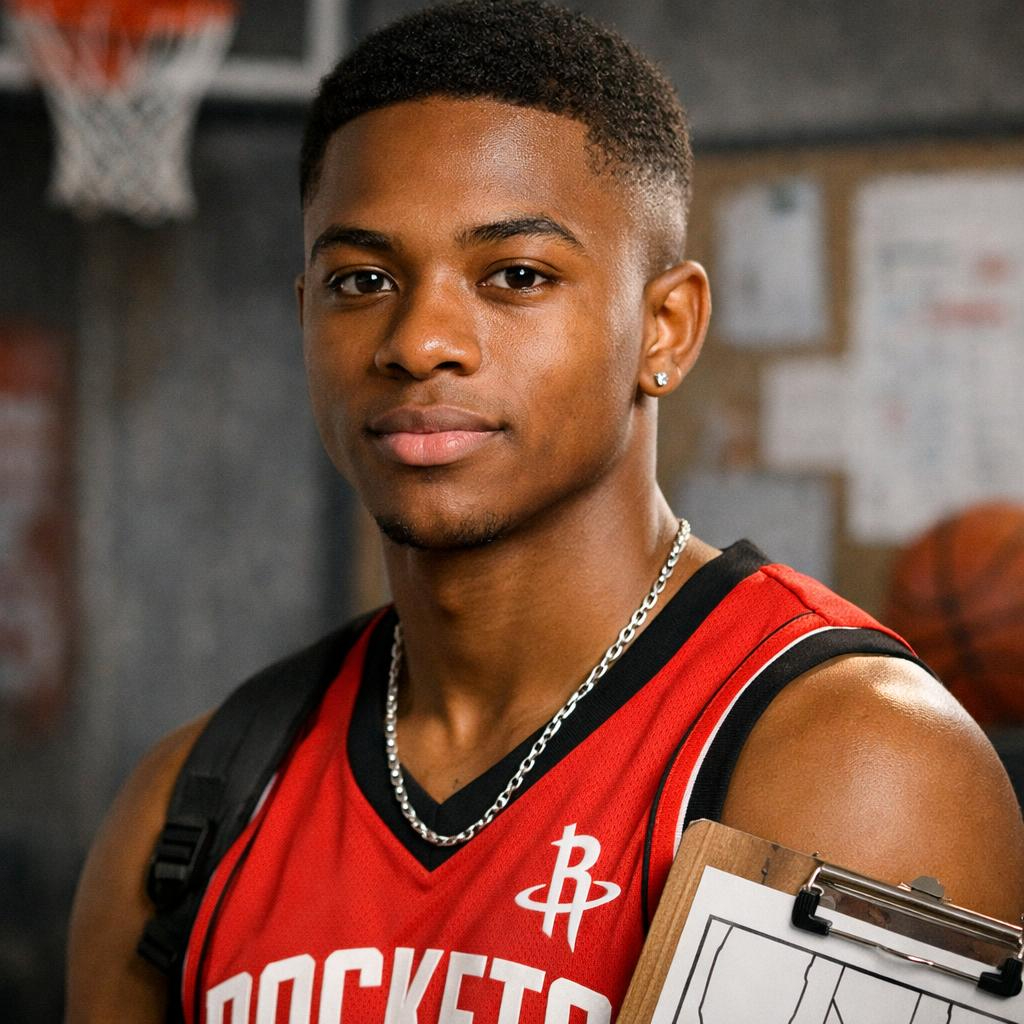
Tyler Okonkwo
Student & Retail Associate · Houston Rockets fan
The Ousmane Dieng Redemption Arc Nobody Saw Coming
I was scrolling through my fantasy league's chat at like 2 AM last Tuesday, half asleep before my Foot Locker shift, when one of my boys sent a screenshot: Ousmane Dieng with 28 points, 7 rebounds, and 4 threes. The group lost it. Not because it was one random game, but because it's been happening consistently. We're talking about a guy who was 2.0% owned, sitting at #261 on ESPN's rankings, and suddenly he's playing like a completely different player.
Here's the thing about watching film since you're twelve years old: you learn to spot patterns before they become obvious. My dad used to pause Hakeem highlights and make me explain why a defender was one step too high on a pick and roll. That analytical muscle memory kicks in when you're watching guys like Dieng make their move, and right now, something fundamental has shifted with this dude.
The Setup Nobody Was Paying Attention To
Ousmane Dieng arrived in Milwaukee as a prospect with upside but immediate role uncertainty. That's fantasy poison, right? You don't draft question marks when there are established guys available. So everyone sleeping on him made sense from a surface level. But that's the difference between casual fantasy guys and the people who actually study. The Bucks weren't going to figure things out the same way they had been. Rotations shift. Young players prove themselves. Winners get minutes.
The Milwaukee situation needed a young wing who could defend multiple positions, space the floor, and not require the ball in his hands to impact winning. Enter Dieng. When Oklahoma City actually adjusted their rotation to give him real opportunities, everything clicked. This wasn't random variance. This was a player finally getting the green light in an offense designed to work for him.
Let me be clear about what "real opportunities" means in this context. We're not talking about garbage time minutes or spot starts. This is consistent rotation placement where a team is saying: "We trust you to help us win games right now." That's the moment every young player lives for, and it completely changes the fantasy calculus.
Why This Matters More Than the Box Score
Here's what separates the guys who make their fantasy league money from the guys who finish last: understanding that explosion in production doesn't happen in a vacuum. Dieng's recent run isn't him suddenly discovering how to play basketball. He's not a 19-year-old freshman like me figuring things out for the first time. This is a professional who's now operating within a system that maximizes his natural skillset.
The three-point shooting, specifically, stands out to me. A young wing who can shoot it from distance is always valuable in 2024 basketball, but there's a difference between a guy who can theoretically make threes and a guy who's getting clean looks within an offense that's designed to find him. Dieng is the latter now. The volume has changed, but more importantly, the shot selection and the quality of each attempt has improved.
From a pure fantasy perspective, here's what breaks in your favor: Milwaukee's current record is 23-30, sitting at 12th in the East. That's not a team cruising along with a locked-in rotation. That's a team making adjustments, experimenting, trying to find combinations that work. In situations like this, the guy who proves he can actually help you win gets more minutes, not fewer. The arrow is pointing up for Dieng.
The Sneaker Culture Angle Everyone Misses
I work retail on weekends, and I talk to kids about what sneakers are hot, what's trending, what makes a player cool to the younger generation. Dieng hasn't blown up in that space yet, but here's what I'm noticing: young players who break through usually have that moment where they go from "prospect" to "player people care about." The social media follows, the highlight reels, the fantasy relevance, it all kind of happens together.
Dieng is right on the edge of that moment. Once you start getting consistent buckets and your team is winning with you in the lineup, the culture shifts. People start noticing. Your Instagram followers jump. Highlight channels pick up your clips. That's not just ego stuff, that's real market attention that translates to increased interest, streaming picks, and league activity.
In my league, the guys who got Dieng early are already running the tape back on everyone else. They're smiling at the draft board knowing they have a young wing who's putting up numbers at high ownership percentages. That's what winning fantasy feels like.
The Reality Check
Let me not oversell this. Dieng isn't going to average 28 points. He's not entering the first-round conversation. But here's what actually matters: if you're looking for a wing who can contribute 15-18 points, 4-5 rebounds, consistent three-point shooting, and legitimate defensive versatility, and he's available at his current ownership rates, you have to at least understand what's happening.
The category breakdown matters too. Points and threes are there. Rebounds are solid for a SF. His usage rate and shot volume are sustainable because the offense actually features him. This isn't a waiver wire flash in the pan where one hot week inflates the numbers.
What You Should Actually Do
If Dieng is available in your league right now, you should be making a move. I'm not saying trade away a starter for him, but if you're working with waiver priority or you've got a bench spot open, this is the exact type of player who turns a mid-pack team into a playoff competitor. The formula is simple: young players operating in new opportunities almost always continue producing if the opportunity is real, and Milwaukee's rotation adjustment looks real.
For dynasty guys, this is especially important. Dieng is the age and situation where breakout seasons become career trajectories. Teams don't suddenly flip the role of a young player unless they believe in the long-term fit. The Bucks aren't experimenting. They're making a decision.
The ownership percentage tells you everything you need to know: at 2.0%, most of your league isn't paying attention yet. They're sleeping on the film. They're not digging into rotation changes. They're not recognizing the moment when a prospect becomes a player.
That's your edge. That's how you win fantasy basketball.